
AIR DUCT & HVAC
The Ultimate Guide to HVAC & Air Duct Cleaning for Las Vegas Homes
Desert wind, sand, and constant AC usage make Las Vegas air ducts a breeding ground for dust and allergens. Learn how to restore your home’s air quality.
Read GuideNatalie Vance
Senior Environmental & Restoration Specialist
Fungal spores exist naturally in the air. When indoor building materials reach elevated moisture content for more than 48 hours, spores germinate into active hyphae networks, releasing mycotoxins and allergenic particulates into your living air.
Physical water removal is 1,200 times more efficient than relying on evaporation. Truck-mounted vacuum units remove the bulk of moisture instantly.
Carpet pad acts as a biological sponge. Discard wet padding immediately to allow direct airflow across subfloor concrete or plywood.
Cut drywall 12 to 24 inches above the highest water line. This opens the wall cavity, allowing air to circulate around damp framing studs.
Fiberglass and cellulose batt insulation lose all R-value when wet and hold moisture for weeks. Strip and replace soaked insulation.
Maintain continuous industrial dehumidification to pull moisture vapor out of dense structural timbers.
Direct airflow at a 45-degree angle along base plates and wall framing to accelerate moisture evaporation.
Spray framing with non-toxic, thymol-based antimicrobials that eradicate fungal roots without hazardous chemical fumes.
Isolate damp rooms with 6-mil poly containment barriers and HEPA air scrubbers to prevent mold spores from drifting into clean living spaces.
Ensure HVAC blower fans do not distribute moisture or spores across bedrooms during the drying process.
Never close walls until wood moisture content (WMC) measures below 15% on calibrated pin meters.
Many Las Vegas homeowners mistakenly assume that because the outside air is hot and dry, water damage will simply evaporate on its own. In reality, closed interior rooms trap humidity, creating a greenhouse effect with 85%+ relative humidity inside wall cavities.
Without commercial dehumidification, structural wood studs absorb water like a wick, leading to dry rot, structural instability, and toxic black mold (Stachybotrys chartarum) infestations.
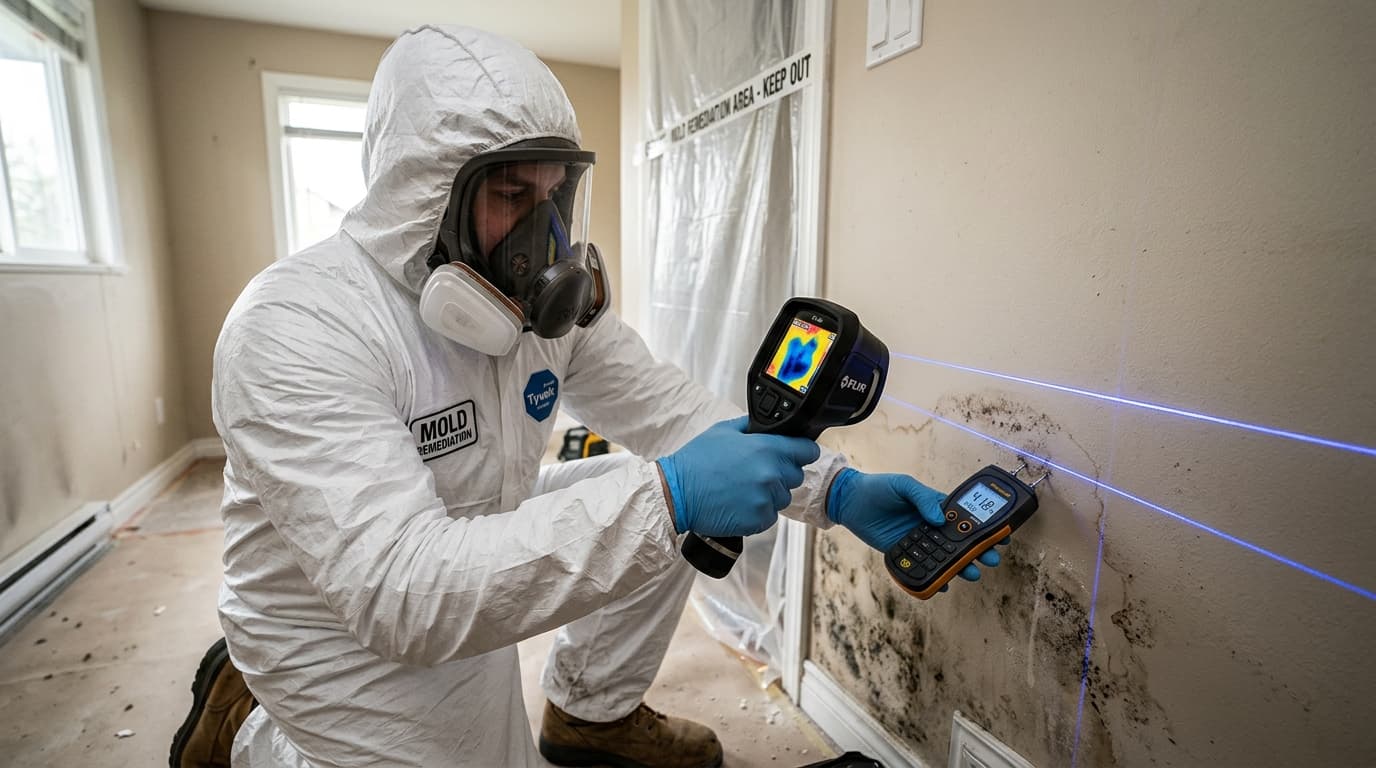
Immaculate Restoration utilizes FLIR thermal imaging cameras to inspect walls, ceilings, and subfloors with zero damage. Call (702) 313-3300 for a certified moisture assessment.
No. The EPA and IICRC advise against bleach on porous materials like drywall and timber. Bleach is 90% water; while chlorine kills surface spores, water soaks deep into the drywall, feeding the mold mycelium roots below.
Indoor relative humidity should always be kept below 50% (ideally between 30% and 45%). At humidity levels above 60%, dormant mold spores readily absorb airborne moisture and begin colonizing surfaces.
Signs include a persistent earthy or musty smell, discoloration along baseboards, bowing drywall, and unexplained respiratory irritation. Thermal imaging cameras can detect hidden moisture reservoirs behind paint.
Senior Environmental & Restoration Specialist
Natalie directs the structural drying, mold remediation, and indoor air quality divisions at Immaculate Restoration. Having overseen thousands of residential and commercial restorations throughout Clark County, she is a leading authority on desert humidity dynamics, hidden pipe bursts, and negative-air HEPA duct sanitization.
Desert wind, sand, and constant AC usage make Las Vegas air ducts a breeding ground for dust and allergens. Learn how to restore your home’s air quality.
Read Guide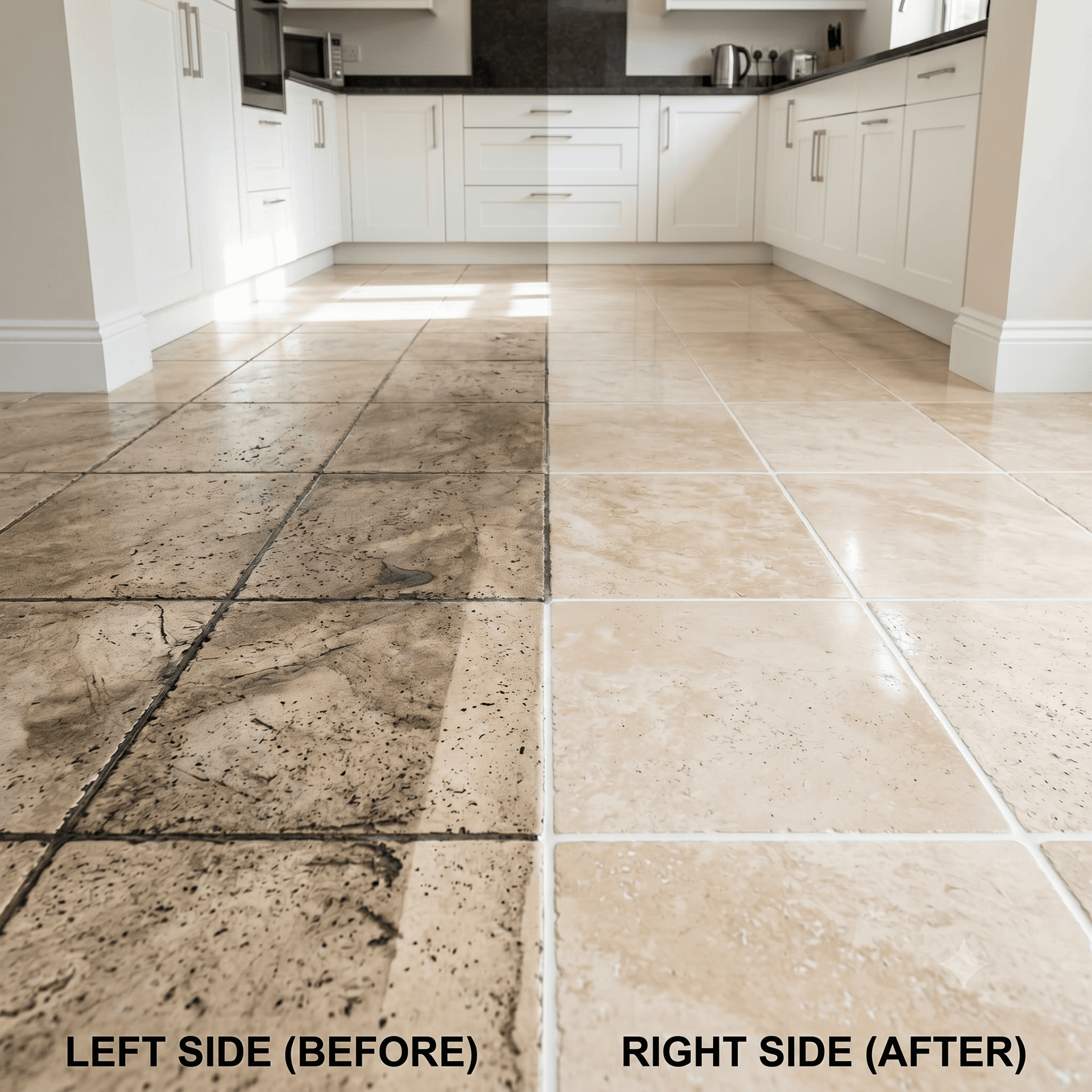
Dirty grout does more than ruin the look of your floors. Learn how porous grout traps mold, bacteria, and allergens, and how professional extraction restores your home's air quality.
Read Guide
Simple carpet shampooing often makes pet urine odors worse. Here is how deep sub-surface extraction neutralizes urine crystals at the source.
Read Guide