

AIR DUCT & HVAC
The Ultimate Guide to HVAC & Air Duct Cleaning for Las Vegas Homes
Desert wind, sand, and constant AC usage make Las Vegas air ducts a breeding ground for dust and allergens. Learn how to restore your home’s air quality.
Read GuideMaria H.
Master Carpet & Floor Care Specialist
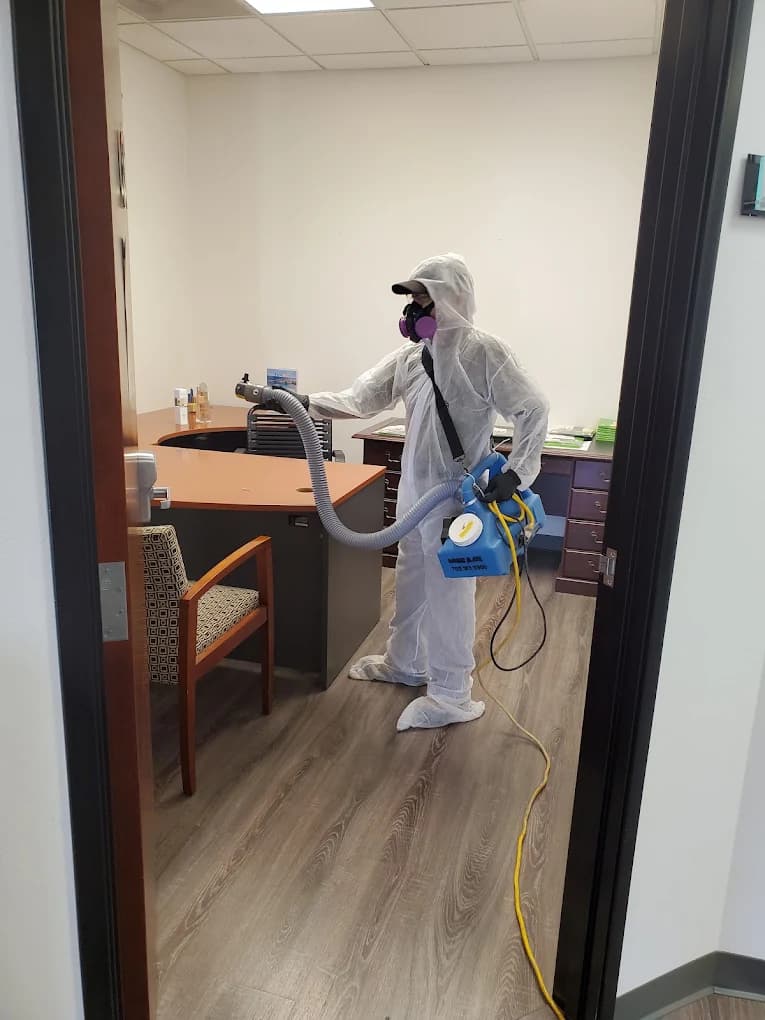
Wear N95/P100 respirators, heavy rubber boots, and eye protection before entering flood-damaged structures.
Ensure gas and electric mains are severed prior to stepping into standing silt water.
Shovel out thick mud and sediment before it cures into hardened adobe caliche.
Disinfect framing and concrete with hospital-grade antimicrobial solutions.
Deploy LGR dehumidifiers to extract structural moisture from concrete slabs.
Verify safe indoor bacterial and moisture levels before rebuilding.
Overland floodwater mixes with street asphalt oils, pesticides, animal waste, and overflowing sewer mains, making it heavily contaminated with pathogens.
No. Drywall that absorbs silt and Category 3 floodwater cannot be sanitized and must be cut away 12 to 24 inches above the water line.
Master Carpet & Floor Care Specialist
Maria leads the residential and luxury estate surface revival team at Immaculate Restoration. With over 15 years servicing homes across Summerlin, Henderson, and Las Vegas, she specializes in high-alkaline desert sand extraction, delicate upholstery preservation, and bio-enzymatic pet urine remediation.
Desert wind, sand, and constant AC usage make Las Vegas air ducts a breeding ground for dust and allergens. Learn how to restore your home’s air quality.
Read Guide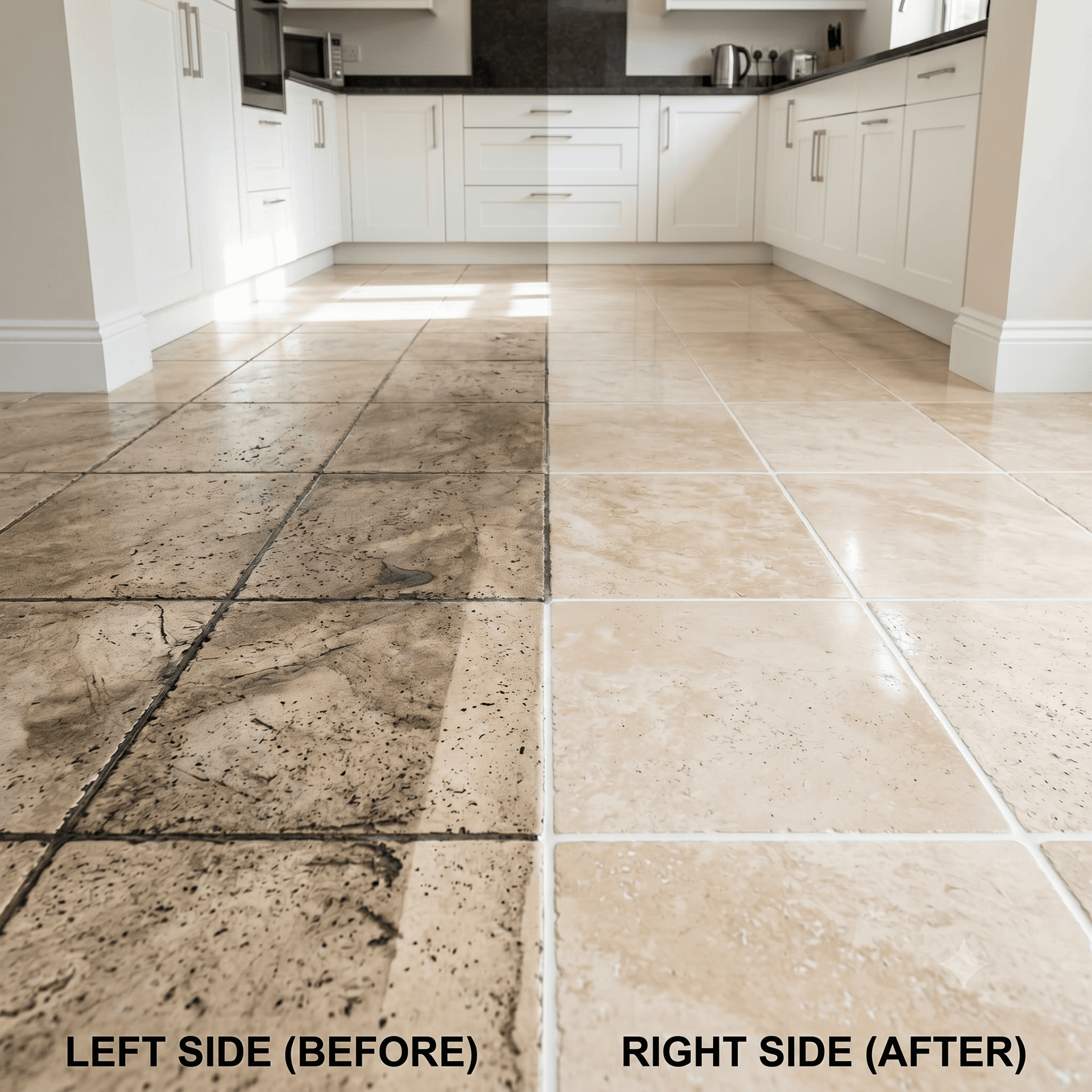
Dirty grout does more than ruin the look of your floors. Learn how porous grout traps mold, bacteria, and allergens, and how professional extraction restores your home's air quality.
Read Guide
Simple carpet shampooing often makes pet urine odors worse. Here is how deep sub-surface extraction neutralizes urine crystals at the source.
Read Guide